
Effective Cockroach and Fly Control in Commercial Kitchens: Strategies for Permanent Results
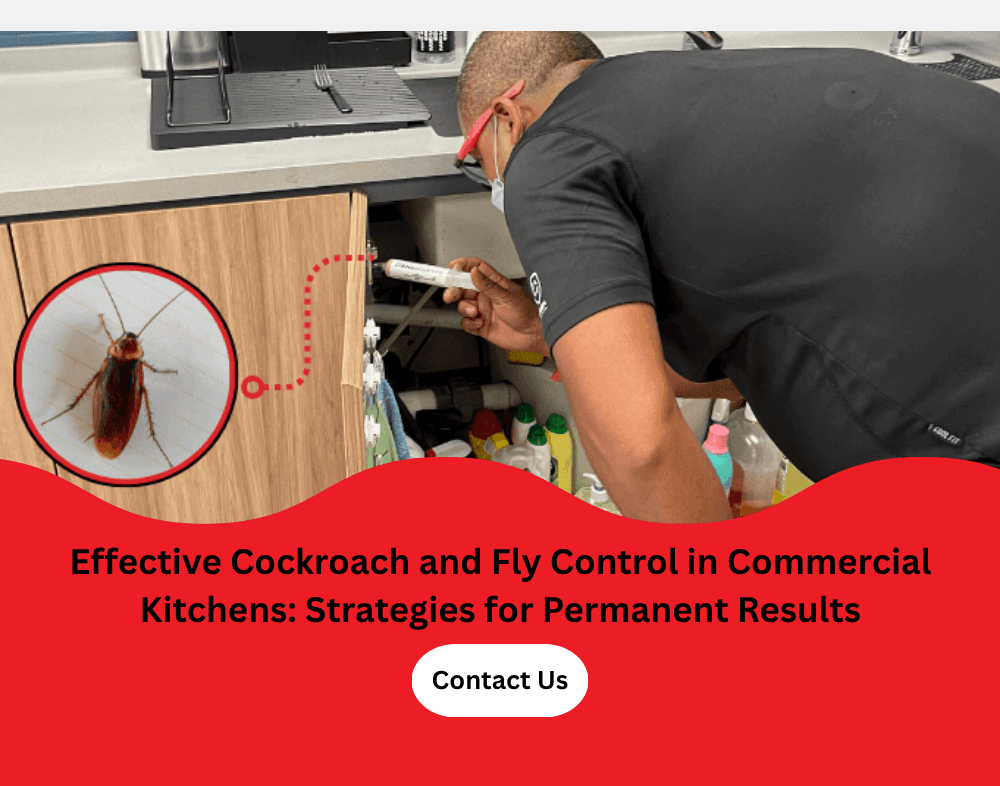
Commercial kitchens provide an ideal environment for pests. Warmth, moisture, and a steady supply of food make them a hotspot for Cockroaches and flies. Even kitchens with high standards of hygiene can unintentionally create conditions that support pest survival and reproduction. In Singapore’s humid climate, these conditions accelerate pest growth, turning small issues into full-scale infestations within days.
Addressing these risks isn’t just about cleanliness—it’s a matter of regulatory compliance, food safety, and business reputation. Proper commercial kitchen pest control can prevent infestations from impacting staff, customers, and operations.
Why Commercial Kitchens Are Especially Vulnerable
Cockroaches and flies thrive where food, water, and shelter are abundant. In commercial kitchens, these conditions occur naturally:
- Cockroaches are attracted to grease under fryers, food residue along prep lines, and dark spaces behind appliances.
- Flies are drawn to floor drains, grease traps, and organic waste.
Additional factors contribute to the problem:
- Frequent deliveries and propped-open doors allow pests entry.
- High traffic and inconsistent cleaning during peak service give pests shelter.
- Overflowing bins and improperly stored waste sustain populations.
Singapore’s tropical climate accelerates reproduction. Cockroaches can complete a reproductive cycle in just weeks, while fly larvae can develop into adults in under a week. This rapid turnover makes early intervention crucial.
Also Read – Pest Control’s Role in Food Safety for Business in Singapore
Risks Posed by Cockroach and Fly Infestations
Infestations extend beyond hygiene concerns and can significantly impact a food business:
- Food contamination: Cockroaches spread bacteria such as Salmonella, E. coli, and Staphylococcus, while flies transfer pathogens from waste to surfaces.
- Allergen exposure: Cockroach droppings, saliva, and shed skins can trigger allergic reactions among staff and diners.
- Regulatory compliance: Even a single sighting can result in NEA demerits, suspension, or closure.
- HACCP breaches: Pest presence violates critical control points in food safety management.
- Reputation and financial loss: Contaminated stock must be discarded, and a single image of a cockroach can damage public perception.
Ignoring these risks is costly. Structured, professional pest management is far more economical than dealing with repeated infestations and regulatory penalties.
The Integrated Approach to Kitchen Pest Control
Permanent elimination requires integrated pest management (IPM). This systematic approach combines sanitation, structural exclusion, environmental control, and targeted professional treatment.
1. Sanitation
Sanitation removes the food sources that attract pests:
- Daily cleaning behind and beneath appliances.
- Immediate cleanup of spills and residues.
- Covered and rotated food storage following FIFO principles.
- Regular emptying, sealing, and sanitising of bins.
- Deep-cleaning drains to interrupt fly breeding cycles.
2. Moisture Control
Damp conditions foster cockroach survival and fly reproduction:
- Fix leaks and improve drainage.
- Ensure floors dry promptly after cleaning.
- Reduce organic buildup in drains to disrupt larval development.
3. Physical Exclusion
Preventing pest entry reduces infestations before they begin:
- Seal gaps around pipes and service penetrations.
- Install door sweeps and fly screens.
- Maintain air curtains at entry points.
4. Professional Treatment
Even with excellent hygiene, some areas require professional intervention:
- Cockroach pest control services utilize gel baits and insect growth regulators (IGRs) to target colonies at the source without broad chemical sprays.
- Fly pest control uses UV traps, drain treatments, and scheduled inspections to disrupt breeding cycles and prevent reinfestation.
Specific methods include:
- Gel baits in harbourage zones to eliminate colonies.
- IGRs to stop juvenile cockroaches from reaching reproductive maturity.
- UV traps for adult flies without contaminating surfaces.
- Drain treatments that destroy fly larvae at the primary breeding site.
- Scheduled technician visits for proactive monitoring and early detection.
Staff training reinforces these measures. When kitchen teams understand why habits like covering food and reporting sightings matter, the pest management program remains effective between professional visits.
Also Read – Why is Pest Control Important to Singapore’s Food industry?
Key Benefits of Professional Kitchen Pest Control
Compared to one-off sprays, structured commercial kitchen pest control offers:
| Aspect | ORIGIN Exterminators | One-Off Spray Treatment |
| Treatment approach | ✔️ Integrated pest management targeting root causes | ✘ Temporary surface-level suppression |
| Cockroach elimination | ✔️ Gel baits and residual spraying | ✘ Broad sprays with limited reach |
| Fly breeding disruption | ✔️ Drain treatments and UV traps | ✘ Only adult flies treated |
| Ongoing monitoring | ✔️ Scheduled inspections | ✘ No follow-up |
| Long-term prevention | ✔️ Staff training and exclusion advice | ✘ No preventive measures |
This combination ensures infestations are addressed at the source and maintained over time.
Why One-Off Sprays Don’t Work
Many kitchens experience repeated infestations despite chemical sprays because these treatments only suppress surface activity. Cockroaches reside in hidden harbourages, and fly larvae thrive in drains. Without addressing these breeding sites and implementing preventive strategies, reinfestation is almost certain.
Staff Engagement Matters
Effective kitchen pest control requires staff participation:
- Covering food consistently.
- Reporting sightings immediately.
- Keeping storage and prep areas clutter-free.
Even the most advanced treatments fail if daily practices allow pests to exploit gaps between scheduled inspections.
Summary
Commercial kitchens attract pests because they naturally provide food, moisture, warmth, and shelter. Singapore’s climate intensifies the problem, enabling rapid reproduction. The consequences include:
- Contaminated surfaces and food products.
- Allergen exposure to staff and diners.
- Regulatory penalties and HACCP breaches.
- Reputational and financial damage.
Permanent solutions rely on integrated kitchen pest control, combining sanitation, moisture management, structural exclusion, and professional treatment. ORIGIN Exterminators delivers HACCP-aligned services using gel baits, UV traps, and drain treatments to eliminate pests at the source and prevent reinfestation.
A proactive program, reinforced by trained staff, ensures kitchens stay pest-free, compliant, and operationally safe.
FAQs
Q: Why do cockroaches return after spraying?
A: One-off sprays fail to reach hidden harbourages. Gel baits target colonies at the source for permanent elimination.
Q: Are drains really the main cause of fly infestations?
A: Yes. Drains accumulate organic matter where larvae develop. Treating only adult flies leaves the breeding cycle intact.
Q: How fast can a small cockroach sighting become a full infestation?
A: In Singapore’s warm climate, colonies can establish within weeks. Early reporting and monitoring are essential.
Q: Can infestations cause NEA inspection failures?
A: Absolutely. A single sighting can result in demerits, suspension, or closure, and breaches HACCP requirements.
Q: How is integrated pest management different from standard sprays?
A: IPM addresses root causes through sanitation, exclusion, moisture control, and professional treatment. Standard sprays only offer temporary surface-level suppression.
Q: Does staff behaviour influence pest control success?
A: Yes. Proper practices between inspections reinforce professional treatments and prevent reinfestation.Professional kitchen pest control isn’t just about reacting to infestations—it’s about preventing them. With the right pest control services, fly pest control, and kitchen pest control Singapore solutions, commercial kitchens can remain compliant, hygienic, and pest-free year-round.

