- Home
- »
- Commercial Pest Control
- »
- Warehouses & Logistics
Warehouses & Logistics Service
Specialist pest management for Singapore's logistics and warehousing sector — keeping your supply chain pest-free with smart, scalable solutions.
Pests We Handle
We provide professional, safe, and effective commercial pest control services to protect your workplace, assets, and reputation from unwanted pests. Our expert technicians use industry-approved techniques and eco-friendly solutions to deliver reliable, long-lasting results with minimal disruption to your business operations.
ANTS
ANTS
Professional ant control services to efficiently handle any level of infestation.

RODENTS
RODENTS
Effective solutions to eradicate disease-carrying rodents and prevent reinfestation.

TERMITES
TERMITES
Advanced termite control solutions to protect structures from damage.
COCKROACHES
COCKROACHES
Identify and target cockroach breeding and harborage sites for effective control.

FLIES
FLIES
Rapid reduction and effective eradication of fly infestations.
STORED PRODUCT PEST
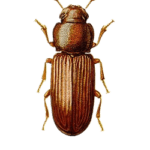
STORED PRODUCT PEST
Our expert pest control services identify the source of infestation, safely eliminate pests, and implement preventive measures to protect your stored products.
Ants Extermination Service
Introduction to Ants
Ants are persistent pests that can easily infiltrate warehouses and logistics facilities through small cracks, entry points, and loading areas. Once inside, they form trails to food sources and nesting sites, quickly establishing large colonies that can grow up to 500,000 ants. In storage and distribution environments, their presence can lead to contamination of goods, packaging damage, and operational disruptions. Due to their complex colony structures and life cycles, basic or over-the-counter treatments are not effective in eliminating infestations at scale.
Why Do Ant Infestations Occur in Warehouses & Logistics Facilities?
Ants are attracted to food residues, moisture, and sheltered spaces—making warehouses vulnerable due to stored goods, spills, and high movement of shipments. Pallets, cartons, storage racks, and loading docks can provide ideal hiding and nesting areas. Even small gaps in walls, floors, or entry points can allow ants to enter and spread across large areas.
Effective ant control in logistics environments requires a proactive and targeted approach. Professional pest management includes thorough inspection of entry points, identification of nesting areas, and tailored treatments to eliminate colonies at the source. Preventive measures such as sealing gaps, maintaining cleanliness, and monitoring high-risk zones help ensure long-term protection.
Cockroach Extermination Service
The Sneaky Cockroach
Cockroaches are highly adaptable pests that can infiltrate warehouses and logistics facilities through small openings, drainage systems, and incoming shipments. They are extremely resilient, reproduce rapidly, and can survive in hidden areas such as storage racks, pallets, loading docks, waste zones, and utility spaces.
In warehouse environments, cockroaches pose a serious risk of contaminating goods, packaging, and storage areas. They are known carriers of harmful bacteria and pathogens, which can affect product integrity and hygiene standards. In Singapore, the most common species include German cockroaches (smaller and fast-breeding) and American cockroaches (larger and commonly found in drains and lower levels).
Why Do Cockroach Infestations Occur in Warehouses & Logistics Facilities?
Cockroaches are attracted to food residues, moisture, and sheltered environments. Spills, improperly stored goods, waste accumulation, and damp areas create ideal conditions for infestation. High movement of goods and frequent loading/unloading activities also increase the risk of cockroaches entering and spreading within the facility.
Effective cockroach control requires a proactive and targeted approach. Professional pest management includes detailed inspections, identification of high-risk zones, and customised treatments to eliminate infestations at the source. Preventive measures such as improved sanitation, sealing entry points, and regular monitoring help ensure long-term protection and uninterrupted operations.
Rodent Extermination Service
When You Smell a Rat...
Rodents are one of the most critical pest threats in warehouses and logistics facilities. They can transmit diseases, contaminate goods, and cause significant damage to packaging, wiring, and infrastructure. In Singapore, common species include the Norway Rat, Roof Rat, House Mouse, and Asian House Shrew, which can be found in sewers, storage areas, and surrounding outdoor environments. Rodents have continuously growing teeth, leading them to gnaw on cartons, pallets, cables, and structural materials. This behaviour can result in product loss, safety hazards, and operational disruptions. Their ability to hide in storage racks, wall voids, and loading areas makes them difficult to detect without professional monitoring.
Why Do Rodent Infestations Occur in Warehouses & Logistics Facilities?
Warehouses provide ideal conditions for rodents due to the availability of food sources, shelter, and access points. Stored goods, waste accumulation, and high movement of shipments create opportunities for rodents to enter and establish nests. Loading docks, open entry points, and gaps in building structures further increase the risk of infestation.
Rodents reproduce rapidly—a single pair can multiply into a large infestation within a short time if left unmanaged. Effective control requires a proactive and integrated approach.
Professional pest management includes thorough inspection, identification of entry points, and continuous monitoring combined with targeted treatments. By implementing preventive measures such as sealing gaps, improving sanitation, and monitoring high-risk zones, facilities can maintain long-term protection and ensure smooth, uninterrupted operations.
Termites Extermination Service
Introduction to Termites
Termites are destructive pests that feed on cellulose found in materials such as wood, paper, and cardboard—making warehouses and logistics facilities particularly vulnerable. They live in large colonies and can silently damage wooden structures, pallets, packaging materials, and even building components such as beams, door frames, and flooring. In storage and distribution environments, termite activity can go unnoticed for long periods, leading to structural damage, product loss, and costly repairs. Their hidden nature makes early detection and professional intervention essential.
Why Do Termite Infestations Occur in Warehouses & Logistics Facilities?
Termites are attracted to moisture and cellulose-based materials. Warehouses storing wooden pallets, cardboard cartons, and paper-based goods provide ideal feeding conditions. Poor ventilation, water leaks, or damp areas further increase the risk of infestation.
Termites can enter through cracks in foundations, flooring joints, and structural gaps, allowing them to spread across large areas undetected. Once established, infestations can grow extensively if not addressed promptly.
Effective termite control requires a specialised and proactive approach. Professional pest management includes detailed inspections, detection of termite activity, and targeted treatment methods to eliminate colonies and prevent recurrence. Preventive measures such as moisture control, structural sealing, and regular monitoring help protect both infrastructure and stored goods.
Flies Extermination Service
Shoo, Fly, Don't Bother Me
Flies are a persistent nuisance in warehouses and logistics facilities, especially in areas handling food products, organic goods, or waste. They are commonly seen around loading docks, storage zones, and disposal areas, where they can easily contaminate goods and surfaces. Flies are known carriers of harmful bacteria and pathogens, including those responsible for E. coli, salmonella, and other foodborne illnesses.
In Singapore’s warm and humid climate, flies can reproduce rapidly, making infestations difficult to manage without proper control. Their presence can affect hygiene standards, product quality, and overall operational compliance.
Why Do Fly Infestations Occur in Warehouses & Logistics Facilities?
Fly infestations are typically caused by conditions that support their breeding and feeding. Organic waste, food residue, and poorly managed garbage areas can quickly attract flies. Open bins, spillage during handling, and inadequate cleaning practices further contribute to the problem.
High movement of goods and frequent loading/unloading activities also increase the risk of flies entering and spreading within the facility. Once established, they can multiply quickly if breeding sources are not addressed.
Effective fly control requires a comprehensive and proactive approach. Professional pest management includes identifying breeding sites, improving sanitation practices, and applying targeted treatments to reduce fly populations and prevent recurrence. Regular monitoring and preventive measures help ensure a clean, compliant, and efficient warehouse environment.
Stored Product Pest Extermination Service
About Stored Product Pests
Stored product pests—commonly known as pantry pests—include insects such as beetles and moths that infest stored goods like grains, food products, and dried materials. In warehouses and logistics facilities, these pests can contaminate large volumes of inventory, damage packaging, and lead to significant product loss. Larvae feed on stored products, leaving behind webbing, frass, and contamination that can compromise product quality and safety. In Singapore’s warm and humid climate, these pests can develop and spread rapidly if not properly managed.
Why Do Stored Product Pest Infestations Occur in Warehouses & Logistics Facilities?
Infestations often begin when already infested goods enter the supply chain and are stored without proper inspection. Poor storage practices—such as unsealed packaging, improper stock rotation, and inadequate cleaning—create ideal conditions for pests to thrive.
Frequently Asked Questions
Warehouses are high-risk pest environments due to constant movement of goods from multiple origins, large spaces with limited human presence overnight, stored materials that attract rodents and stored product pests, and loading bay access points that are difficult to seal. ORIGIN's warehouse pest control singapore programme is tailored to address all of these challenges across both temperature-controlled and ambient storage facilities.
Rodents are the primary concern in logistics warehouses — they enter via loading bays, gnaw through packaging, contaminate goods, and cause equipment damage. Cockroaches, ants, and stored product pests are also common in food and pharmaceutical logistics. ORIGIN provides warehouse-specific pest control addressing the full range of pests relevant to your cargo type and facility design.
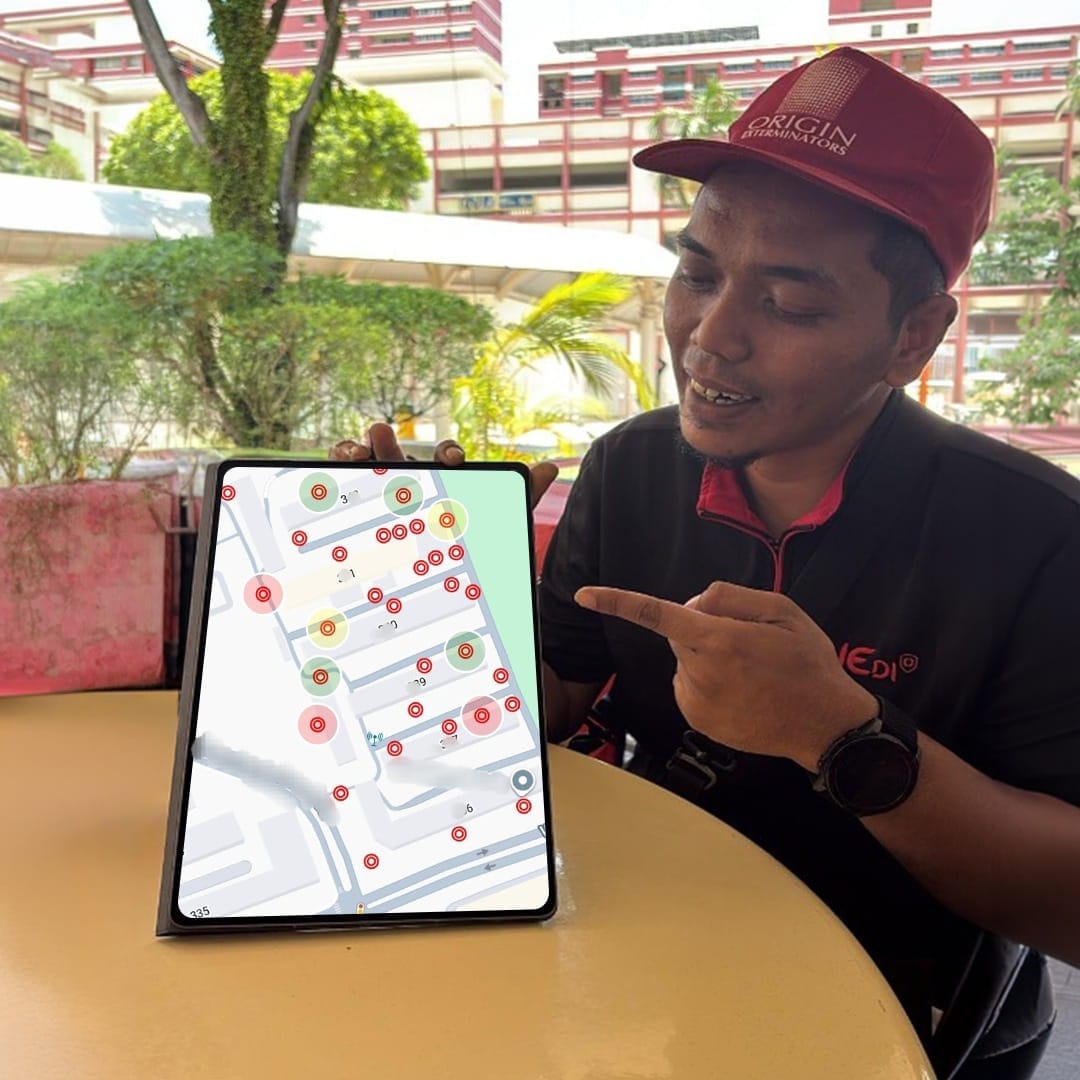
RATSENSE® uses lightweight, discrete IoT sensors placed at rodent activity points throughout the facility. The sensors monitor rodent movement 24/7 without triggering the rodents' natural neophobia, and transmit real-time data to an online dashboard with heat maps and trend analysis. This allows facility managers to identify activity hotspots and respond proactively. RATSENSE® reduces required manpower by up to 50% while increasing capture rates by at least 30%.
Yes. ORIGIN manages multi-site logistics contracts across Singapore, providing consistent service standards, unified reporting, and a single point of contact. A consolidated service agreement also provides better value and ensures that ORIGIN's understanding of your operations transfers seamlessly across all sites.
Major logistics operators typically require structured pest control documentation for client audits, ISO compliance, and internal QMS requirements. ORIGIN's reporting includes site-specific inspection checklists, treatment records, photographic evidence of bait station placement, trend data, and corrective action notes — meeting the typical checklist requirements of the logistics sector.
Cold storage facilities require pest management solutions that remain effective at low temperatures and that do not introduce any risk of product contamination. ORIGIN selects formulations and monitoring equipment rated for use in chilled and frozen environments and ensures that all treatments comply with the relevant food safety standards for cold chain warehouses.
A standard ORIGIN warehouse programme includes monthly on-site service visits, continuous RATSENSE® digital monitoring, quarterly comprehensive pest audits, and on-call emergency response. The programme is designed to address the high-traffic, high-risk nature of logistics operations while keeping the administrative burden on your team minimal.
Contact ORIGIN immediately for an emergency inspection. Infestations introduced via contaminated shipments can spread rapidly in a warehouse environment. Our team will conduct a thorough assessment, identify the pest species involved, and implement a targeted treatment plan. We can also advise on quarantine protocols and preventive screening measures for future incoming shipments.