
Warehouse Pest Control in Singapore: Ensuring Inventory Integrity and Compliance
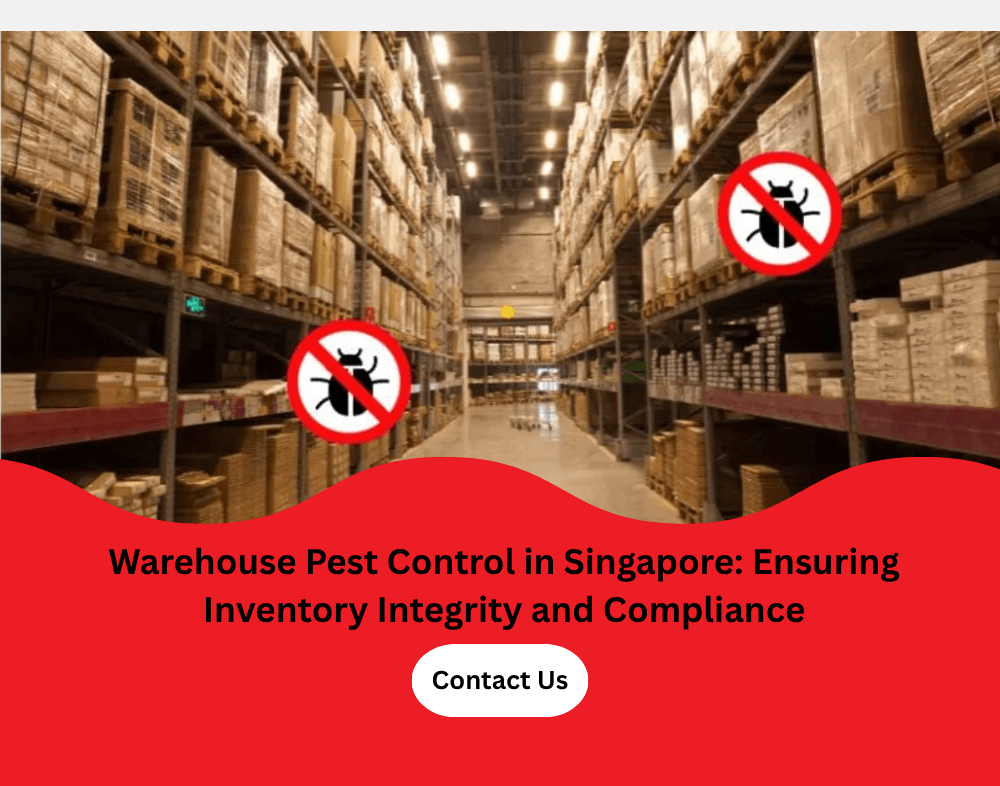
Warehouse pest control in Singapore is crucial for logistics, warehousing, and supply chain operations where maintaining stock quality is paramount. Pests like rodents, cockroaches, ants, flies, and stored-product insects thrive in busy facilities, where frequent deliveries, dense racking, and mixed packaging provide ideal conditions for pests to enter, hide, and breed. Even minor pest activity can result in stock losses, hygiene breaches, and reputational damage, especially for food, pharmaceutical, and consumer goods operations.
A robust pest management program is essential for protecting inventory integrity and ensuring smooth operations. It is no longer a discretionary expense; it’s a core part of warehouse operations.
Why Are Warehouses in Singapore Particularly Vulnerable to Pest Problems?
Singapore’s tropical climate—warm, humid, and consistent year-round—provides ideal conditions for pest activity. In warehouses, certain structural and operational factors increase the risk of pest infestations.
- Frequent Deliveries: Incoming pallets, packaging, and raw materials often carry pests, unnoticed by staff.
- Dense Storage: Racks and shelving units create hidden spaces where rodents and insects can breed undetected.
- Loading Bays: Open loading dock doors provide direct access for pests like rodents, flies, and cockroaches.
- Mixed Products: Warehouses storing food, organic materials, and cardboard provide food and nesting sites for pests.
- Staff Amenities: Canteens and restrooms create food waste that attracts pests into storage areas.
These factors allow pests to quickly enter, find food and shelter, and remain hidden until significant damage occurs. Addressing vulnerability through both structural and operational strategies is critical to preventing infestations.
Also Read – How Much Does Professional Pest Control Cost in Singapore? Pricing, Value & Safety Explained
What Does an Effective Warehouse Pest Control Program Include?
An effective pest management program in Singapore follows the principles of Integrated Pest Management (IPM), which emphasizes prevention, early detection, and limited chemical use. IPM not only reduces chemical reliance but also minimizes operational disruptions, providing long-lasting solutions.
Key components of an effective warehouse pest control program include:
- Site Inspection & Risk Assessment: Regular surveys of loading bays, packing areas, racking aisles, and drainage points to identify vulnerabilities and potential pest entry points.
- Proofing & Exclusion: Sealing structural gaps, fitting door sweeps, and improving door discipline to deny pests access to the facility.
- Sanitation & Waste Management: Guidelines on managing waste disposal, eliminating food sources, and reducing clutter that attracts pests.
- Monitoring & Early Detection: Strategic placement of monitoring devices such as rodent traps, insect light traps, and pheromone monitors to detect activity early and prevent escalation.
Where necessary, targeted treatments like baiting and trapping are applied to address the source of the problem, not just its symptoms.
How Smart Technology Enhances Warehouse Pest Detection
Traditional pest control methods rely on scheduled inspections, leaving gaps in monitoring that may allow pest activity to go undetected. Smart monitoring technology offers real-time surveillance, improving the effectiveness of pest management.
ORIGIN Exterminators’ proprietary RATSENSE® system is an advanced solution that provides continuous monitoring of rodent activity in real-time. The benefits include:
- Reduced Manpower: Cuts manpower requirements by up to 50% compared to traditional methods.
- Increased Effectiveness: Enhances rodent capture rates by up to 30%.
- Audit Support: Logs data for trend analysis and audit documentation.
- Proactive Response: Alerts pest control teams immediately upon detecting rodent activity, enabling faster action and reducing inventory risks.
For warehouses that store high-value goods, real-time, precise monitoring is an essential tool for protecting stock and ensuring compliance with industry regulations.
Also Read – When to Call a Rat Exterminator in Singapore?
Compliance and Documentation Standards for Warehouse Pest Control
Warehouses in Singapore, particularly those involved in food, pharmaceutical, and consumer goods sectors, must comply with strict regulatory and commercial standards. Pest control programs should meet the following requirements to ensure audit readiness and avoid disruptions:
- NEA Licensing: All pest control services must be delivered by NEA-licensed professionals.
- -Aligned Procedures: Facilities that handle food or food-related products must ensure pest management aligns with food safety standards.
- Audit-Ready Documentation: Pest control programs should maintain detailed records, including site maps, monitoring device locations, trend reports, corrective actions, and treatment logs.
- ISO Certifications: For warehouse operations that require environmental and occupational safety standards, certifications like ISO 14001 and ISO 45001 should be maintained.
ORIGIN Exterminators meets these compliance standards, including and ISO certifications, providing warehouse operators with a fully certified and audit-ready pest management partner.
Key Takeaways: Warehouse Pest Control in Singapore
Singapore’s tropical climate and warehouse conditions create a persistent risk for pest problems, requiring a year-round, structured pest control program rather than one-off treatments. IPM focuses on prevention, early detection, and targeted treatments, reducing reliance on chemicals and minimizing disruption.
Key points include:
- Integrated Pest Management (IPM): A prevention-first, science-based approach for sustainable, long-term pest control.
- Smart Technology: RATSENSE® offers 24/7 rodent surveillance, improving detection and response times.
- Compliance Documentation: Ensures that pest management programs meet NEA, , and ISO standards, reducing audit risk.
- Certified Partners: Choosing a licensed, certified pest management provider ensures compliance and protects inventory, staff wellbeing, and brand reputation.
Comparison Table: Key Features of ORIGIN Exterminators’ Pest Control Program
| Feature | ORIGIN Exterminators | Standard Alternative |
| Rodent Monitoring Technology | RATSENSE® smart surveillance | Manual checks only |
| IPM Approach | Prevention-first, root-cause focus | Reactive treatment-led |
| Audit Documentation | Comprehensive service records | Limited trend data |
| Environmental Certification | ISO 14001 certified | No equivalent certification |
| Occupational Safety Certification | ISO 45001, BizSafe Star accredited | Limited or none |
| NEA Licensing | Fully licensed and compliant | Variable compliance |
Protect Your Warehouse Before Pests Make Their Move
Proactive and structured warehouse pest control in Singapore is key to protecting inventory, ensuring compliance, and maintaining operational continuity. Effective pest control requires smart monitoring technology, certified expertise, and audit-ready documentation. The right partner will help eliminate risks before they escalate, preserving the integrity of your stock and operations.
Contact ORIGIN Exterminators today to arrange a warehouse pest risk assessment and discover how a tailored IPM program can protect your warehouse, inventory, and compliance records.
Frequently Asked Questions
- How do pests enter warehouses in Singapore despite regular cleaning? Pests typically enter via incoming pallets, packaging, and deliveries. Unsealed structural gaps and open loading bay doors also serve as major entry points.
- Is a one-off pest treatment enough to protect a warehouse? A single treatment may address visible pests but does not prevent re-entry. Ongoing pest control with regular monitoring is essential for consistent protection.
- How does ORIGIN Exterminators’ RATSENSE® system differ from traditional rodent monitoring? Unlike manual checks, RATSENSE® offers 24/7 real-time detection and alerts the team immediately upon detecting rodent activity, reducing response times by up to 50%.
- What pest control documentation do warehouses need for audits? Auditors require service records, trend reports, site maps, and corrective action logs. Certified providers like ORIGIN Exterminators ensure this documentation is included with every service visit.
- Can pest activity impact shipments to international clients? Yes, pest contamination can result in rejected shipments, failed audits, and lost contracts. Maintaining certified pest management is essential to mitigate this risk.
What is Integrated Pest Management (IPM) and why is it important for warehouses? IPM is a holistic approach that combines inspection, sanitation, and proofing to prevent infestations, reducing chemical use and minimizing warehouse disruptions.

