
Pest Control in Manufacturing Plants: Preventing Contamination and Production Loss
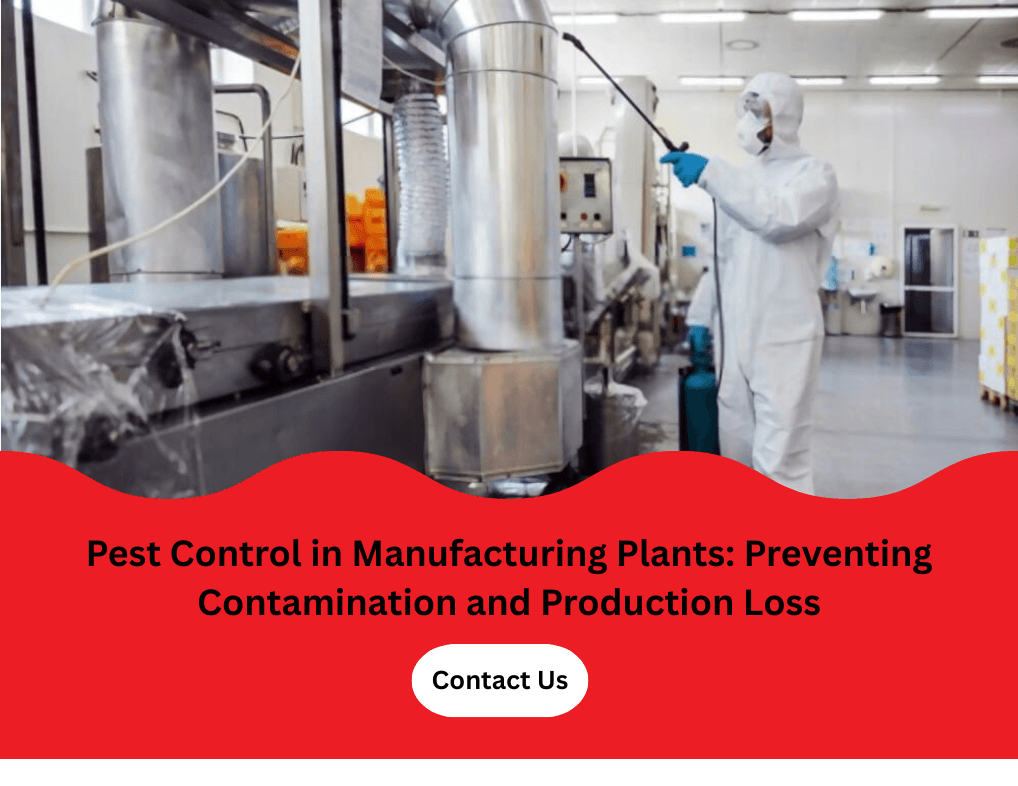
Pest control is a critical aspect of maintaining hygiene in manufacturing plants, as a single infestation can quickly lead to contamination, production disruptions, and regulatory scrutiny. Ensuring that a pest management program is effective and proactive is key to maintaining smooth operations in such environments.
Why Manufacturing Plants Are Prone to Pest Infestations
Manufacturing facilities provide pests with the necessary conditions for survival: warmth, moisture, food residues, and consistent shelter. These conditions make them particularly susceptible to infestations, making it vital for facility managers to implement preventive pest control measures. Common pests found in these environments include:
- Rodents: They gnaw through packaging, contaminate products, and damage electrical systems, posing hygiene and fire risks.
- Cockroaches: These pests thrive in warm, humid environments, carrying pathogens that jeopardize product safety.
- Stored-product insects: Moths, weevils, and beetles can infest raw materials and finished products, often arriving via deliveries.
- Flies: These insects breed in waste zones and can transfer bacteria to exposed products.
- Ants: Particularly in areas handling sugars or proteins, ants infiltrate packaging and storage spaces.
Key Areas of Concern: Entry Points and Incoming Deliveries
A common but often overlooked entry point for pests in manufacturing facilities is incoming deliveries. Pests can arrive hidden in pallets, packaging, and raw ingredients, which makes inspecting goods-in zones a crucial first line of defense.
The Four Pillars of an Effective Pest Control Program
To ensure comprehensive protection, pest control in manufacturing plants must be built around four essential components: exclusion, sanitation, monitoring, and rapid response.
- Exclusion: This involves physically preventing pests from entering the facility. This can include sealing service penetrations, proofing doors, and installing mesh screens. Even the smallest gaps can provide access for pests.
- Sanitation: Eliminating food residue, regularly cleaning production equipment, and maintaining tight waste handling protocols significantly reduce the conditions that attract pests.
- Monitoring: Ongoing monitoring is vital. The use of strategically placed traps, bait stations, and surveillance systems helps detect pest activity early, before infestations become widespread. By analyzing data, trends can be identified and addressed proactively.
- Rapid Response: Quick intervention is crucial when pest activity is detected. Treatments should be scheduled in alignment with production cycles to minimize disruptions while ensuring the integrity of the products.
Also Read – Pest Control for Restaurants in Singapore | Origin Exterminators
How Pest Activity Leads to Production Loss
Pests create production loss through several channels:
- Batch rejection: Contaminated raw materials or finished goods may need to be discarded, leading to material and labor costs.
- Production downtime: Infested areas may require temporary shutdowns for treatment and cleaning, halting production and disrupting schedules.
- Product recalls: If contaminated products reach consumers, costly recalls and reputational damage follow.
- Regulatory fines: Failure to pass pest-related audits can lead to fines, suspension of operations, or loss of certification.
- Loss of contracts: Many major buyers require proof of compliance with pest control standards as a condition of supply.
How ORIGIN Exterminators Supports Pest Control for Manufacturing Plants
ORIGIN Exterminators specializes in providing tailored, science-driven pest control solutions for manufacturing and industrial facilities across Singapore. The company starts with a thorough risk assessment to pinpoint vulnerabilities in the facility, such as critical control points and entry areas.
ORIGIN utilizes its proprietary RATSENSE® smart rodent surveillance system, which provides real-time monitoring, reducing manpower by 50% and increasing capture effectiveness by 30%. This system helps to shift pest management from reactive to truly proactive.
For food manufacturing and regulated environments, ORIGIN holds key certifications, including ISO 14001, ISO 45001, BizSafe Star, and NEA licensing. These credentials ensure that all pest management programs meet audit requirements and comply with local standards.
Also Read – Rat Infestation in Singapore’s Shopping Centres: Why 2025 is a Turning Point
Benefits of Proactive Pest Control in Manufacturing
A well-structured pest control program ensures continuous production, protects product quality, and avoids costly disruptions. With the increasing regulatory expectations and supply chain scrutiny, facilities that prioritize pest management are better equipped to navigate potential challenges.
Key benefits include:
- Prevention of contamination, downtime, and regulatory issues.
- Seamless integration with production cycles, minimizing operational disruption.
- Audit-ready documentation for compliance purposes.
- Proactive surveillance systems like ORIGIN’s RATSENSE® ensure early detection and quick intervention.
Comparison with Standard Pest Control Providers
| Feature | ORIGIN Exterminators | Standard Provider |
| Monitoring Technology | RATSENSE® smart surveillance | Manual trap checks |
| Environmental Standards | ISO 14001 certified | No equivalent certification |
| Workplace Safety | ISO 45001 and BizSafe Star | Limited or unverified |
| Program Approach | Prevention-led, tailored to production needs | Reactive treatments only |
| Reporting and Audit Support | Full corrective action records | Basic or no documentation |
Key Takeaways
- Pest control is a vital aspect of manufacturing, with a significant impact on product quality, production efficiency, and regulatory compliance.
- A comprehensive pest management program should include exclusion, sanitation, monitoring, and rapid response to ensure full protection.
- Incoming deliveries pose a serious risk for pest introduction and should be inspected rigorously.
- Smart monitoring technologies like RATSENSE® can significantly enhance pest control efforts, reducing the need for manual inspections and improving pest capture rates.
- Investing in proactive pest control is not just a cost-saving measure—it is crucial to avoid costly production losses, reputational damage, and potential fines.
FAQs
- How quickly can an infestation disrupt a production line?
Infestations can lead to immediate shutdowns for pest treatment and deep cleaning, halting production and potentially causing product recalls. - Are incoming deliveries a significant pest risk?
Yes, pests like weevils and moths can be transported in packaging materials and raw ingredient sacks, making inspection protocols at delivery zones essential. - What pest control certifications should be required?
Food manufacturers should require, as well as environmental certifications like ISO 14001 and NEA licensing for comprehensive regulatory compliance. - What sets smart rodent monitoring apart from manual checks?
Smart systems like RATSENSE® provide continuous, real-time monitoring, enhancing pest control efficiency and reducing reliance on scheduled manual checks. - Can pest control treatments disrupt active production schedules?
A well-structured program schedules treatments during downtime or shift changes to minimize operational disruptions while maintaining regulatory compliance.
In conclusion, effective pest control for manufacturing industry environments is not just a reactive task but a proactive strategy. By focusing on industrial pest management in Singapore and incorporating smart technologies, facilities can ensure production continues without costly disruptions or contamination risks.

