
Hotel Pest Control in Singapore: Protecting Guest Experience, Compliance & Reputation
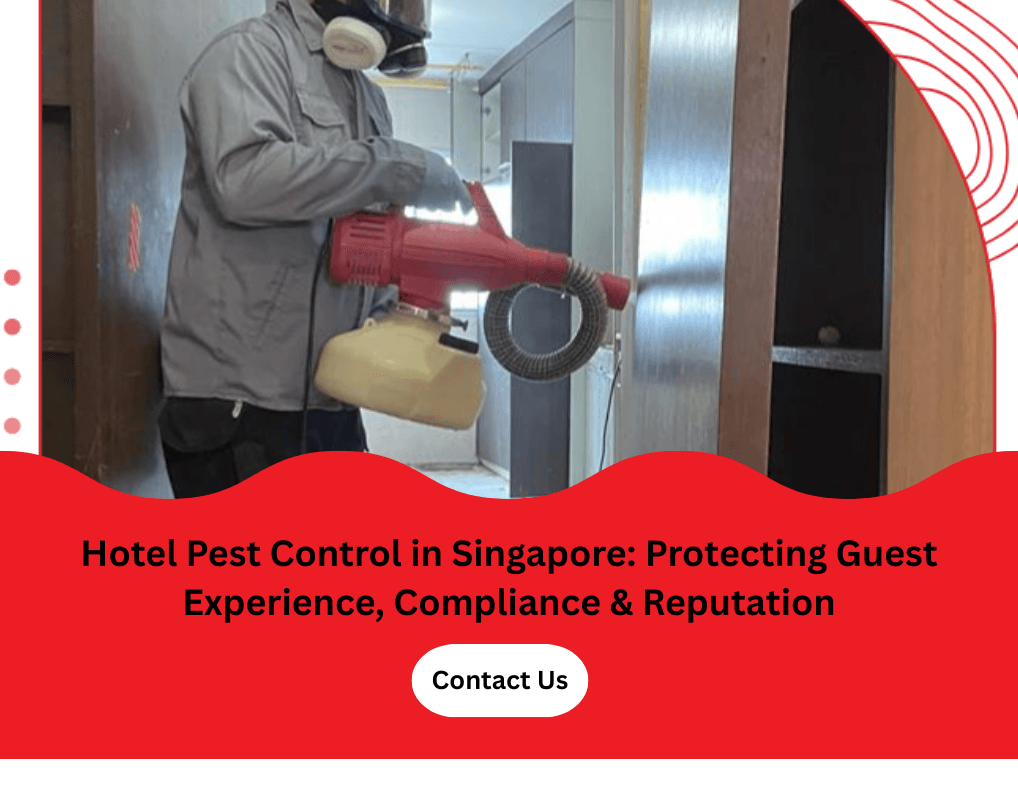
In Singapore’s hospitality industry, a single pest sighting can undo years of brand building. Whether it’s a cockroach in a bathroom, a rodent near a kitchen, or mosquitoes around a pool deck, these incidents directly impact guest perception, online reviews, and bookings. This is why commercial pest control services are not optional—they are a core operational standard.
Hotels operate in a high-risk environment shaped by tropical climate conditions, constant guest turnover, and strict regulatory oversight. In such a setting, reactive pest control is no longer effective. Instead, structured workplace pest management is essential to protect both reputation and revenue.
Why Singapore Hotels Face Higher Pest Risks
Singapore’s equatorial climate creates year-round pest pressure. With temperatures averaging 27–31°C and humidity above 80%, pests such as cockroaches, rodents, and mosquitoes thrive continuously. Unlike temperate regions, there is no seasonal decline—infestations can develop at any time.
Additionally, hotels face:
- High guest turnover (constant movement of luggage and belongings)
- Frequent supply deliveries (food, linen, equipment)
- Complex infrastructure (kitchens, storage, service corridors)
These factors create multiple entry points and breeding opportunities. Without a structured approach, pest activity can escalate quickly.
Also Read: Pest Control Audit Checklist for Singapore Businesses
The Real Cost of a Pest Incident
The impact of a pest issue goes far beyond a single complaint.
1. Reputation Damage & Lost Bookings
Guests rely heavily on platforms like Google and TripAdvisor. A single pest-related review can reduce booking conversions significantly, as travellers treat such mentions as signs of poor hygiene. Even one negative review can outweigh multiple positive ones.
2. Revenue Loss
When a pest is detected:
- Rooms may need to be taken out of service
- Emergency treatments increase costs
- Future bookings decline due to reputation impact
This creates both immediate and long-term financial loss.
3. Operational Disruption
Staff must manage complaints, isolate rooms, and coordinate urgent treatments. This reduces efficiency and shifts focus away from delivering guest experience.
For hotels, investing in commercial pest control services is far more cost-effective than managing repeated incidents.
Integrated Pest Management: The Professional Standard
Modern hotels rely on Integrated Pest Management Approach (IPM)—a structured system focused on prevention rather than reaction.
IPM includes:
- Routine inspections
- Continuous monitoring
- Accurate pest identification
- Targeted, minimal-risk treatments
Instead of repeatedly treating visible problems, IPM addresses root causes such as entry points, food sources, and environmental conditions.
Why Prevention Matters
By the time a guest reports a pest sighting, the infestation has already developed. Preventive monitoring detects activity early—before it reaches guest-facing areas.
For example:
- A cockroach detected in a storage area = manageable
- The same cockroach seen by a guest = reputational crisis
This difference highlights why proactive workplace pest management is essential in hospitality environments.
Smart Rodent Control: From Reactive to Real-Time
Rodents pose one of the highest risks in hotels due to their impact on hygiene, safety, and brand perception. Traditional methods rely on periodic inspections, leaving gaps where activity goes undetected.
Modern systems like IoT-based monitoring (e.g., RATSENSE®) provide:
- 24/7 surveillance
- Real-time alerts
- Data-driven reporting
This allows immediate response, preventing escalation.
Also Read: F&B / Restaurants / Cafés Pest Service
Benefits for Hotels
- Faster detection and control
- Reduced visible pest activity
- Better compliance documentation
- Improved decision-making using data insights
This shift from reactive control to continuous monitoring is a key differentiator of the best pest control company in Singapore.
Mosquito Control in Outdoor Hotel Spaces
Outdoor areas such as pool decks, gardens, and terraces are critical to guest experience—but also high-risk zones for mosquito activity.
Why Fogging Alone Fails
Fogging only targets adult mosquitoes temporarily. It does not eliminate breeding sources, so populations quickly return.
Effective Mosquito Management Includes:
- Identifying and removing standing water
- Treating larvae at source
- Continuous monitoring and adjustment
Programmes like ORIGIN’s 3+1 Mosquito Management combine biological control, targeted treatments, and data tracking to deliver long-term results.
Compliance & Certification: A Critical Requirement
Singapore’s National Environment Agency (NEA) enforces strict pest control regulations. Non-compliance can lead to:
- Financial penalties
- Closure orders
- Public reputational damage
Hotels must partner with providers that meet required standards.
Key Certifications to Look For:
- NEA Licensing (mandatory)
- HACCP Compliance (for food safety)
- ISO 14001 (environmental management)
- ISO 45001 & BizSafe Star (safety standards)
A certified provider ensures not only compliance but also structured documentation—critical during audits or inspections.
Discreet & Non-Disruptive Service Delivery
In hotels, how pest control is delivered is just as important as the results.
Poorly executed treatments can:
- Disturb guests
- Create negative impressions
- Impact brand perception
Professional providers ensure:
- Low-visibility operations
- Minimal odour treatments
- Scheduling during low-occupancy periods
This allows pest management to happen without affecting guest experience.
Choosing the Right Pest Control Partner
Not all providers are equipped for hospitality environments. Hotels require a partner that understands:
- Operational sensitivity
- Regulatory compliance
- Continuous monitoring systems
- Data-driven decision-making
The best pest control company in Singapore will offer:
- Structured IPM programmes
- Real-time monitoring solutions
- Certified, compliant operations
- Transparent reporting and accountability
Conclusion
In Singapore’s competitive hospitality industry, pest control is not just a maintenance function—it is a strategic necessity. From protecting guest experience to ensuring regulatory compliance, effective commercial pest control services directly impact a hotel’s success.Reactive treatments are no longer sufficient. Hotels must adopt a proactive, data-driven approach that combines prevention, monitoring, and targeted intervention. With the right workplace pest management strategy and a certified partner, hotels can maintain a pest-free environment, safeguard their reputation, and deliver consistently high guest satisfaction.

