
Construction Site Pest Control: Preventing Infestations Before Building Completion
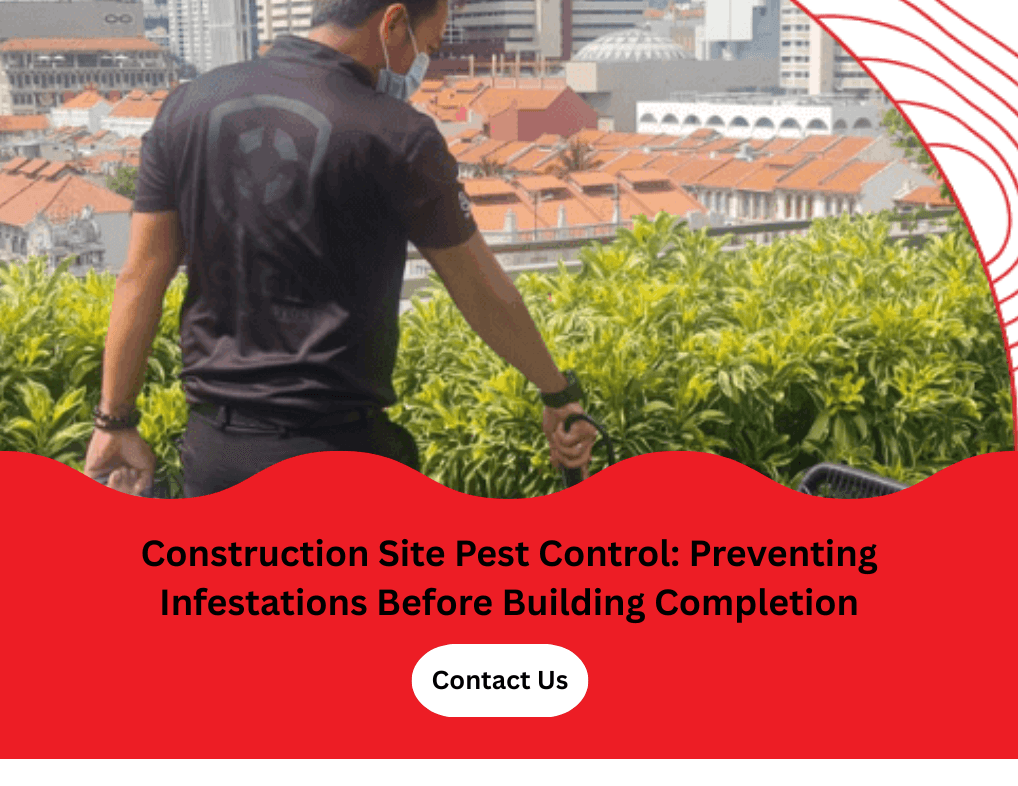
Construction sites in Singapore are highly vulnerable to pest activity. Disturbed soil, open structures, temporary waste zones, and standing water create ideal conditions for rodents, termites, cockroaches, and mosquitoes to thrive.
The real risk is not just visible pests—but those hidden inside walls, ducts, and ceiling voids before project completion. Without early intervention, infestations become embedded into the structure, leading to costly post-handover issues. This is why pest control services Singapore must begin at mobilisation, not completion.
Why Construction Sites Attract Pests
Construction environments naturally provide pests with food, water, and shelter. Excavation disrupts existing ecosystems, forcing pests like termites and rodents into active construction zones.
Key risk factors include:
- Disturbed ground: Excavation exposes termite colonies and rodent burrows, increasing migration into structures
- Open cavities: Unsealed walls, ducting, and penetrations create immediate harbourage
- Standing water: Mosquito breeding can occur within 3–4 days in trenches and pooled water
- Temporary waste: Food waste and debris sustain pest populations throughout the build
- Nearby sources: Adjacent buildings and drains act as continuous pest reservoirs
If unmanaged, pests become physically sealed into the building—turning a preventable issue into a long-term structural and operational risk.
Also Read: When to Call a Rat Exterminator in Singapore?
What Effective Pest Prevention Looks Like
Professional pest control services Singapore focus on prevention from the earliest stages. A site-wide pest risk assessment should be conducted at mobilisation, covering soil conditions, drainage, surrounding environments, and high-risk zones.
1. Housekeeping & Waste Control
- Restrict food consumption to designated areas
- Use sealed bins with scheduled disposal
- Remove debris promptly to eliminate rodent harbourage
2. Water Management
- Drain standing water in trenches, sumps, and pipes at least twice weekly
- Prevent mosquito breeding cycles (as short as 4 days)
3. Physical Proofing
- Seal gaps at foundations and service penetrations
- Install mesh on vents and openings before fit-out
- Maintain secure hoarding and entry barriers
- Close new penetrations created during construction
4. Monitoring & Reporting
- Install monitoring systems at perimeter and internal zones
- Conduct scheduled inspections with proper documentation
- Address early signs of activity before escalation
Prevention is not a one-time task—it must be integrated into every phase of construction.
Also Read: SG Pest Management: Guide to NEA Regulations and Compliance
Termite Treatment in Singapore: Why Timing Matters
Termite treatment Singapore is critical due to the presence of subterranean termites in local soil. Construction activities disturb these colonies, increasing the risk of structural infestation.
An effective termite programme includes:
1. Pre-Construction Soil Treatment
Applied before concrete pouring to create a protective barrier between soil and structure.
2. Barrier Systems
Installed during foundation and backfilling stages to prevent termite ingress.
3. Compliance Documentation
Includes treatment certificates, site maps, and warranties required for handover.
Timing is essential. Applying termite treatment after construction stages reduces effectiveness significantly. Coordinating treatment with the build schedule ensures long-term protection and regulatory compliance.
Rodent Control During Construction
Rodent activity is one of the most persistent risks on construction sites. A professional rodent exterminator does more than deploy bait—it implements a structured, ongoing control programme.
Key Elements of Rodent Management:
- Perimeter baiting: Regularly inspected and replenished
- Internal trapping: Focused on welfare areas, storage zones, and canteens
- Exclusion repairs: Immediate sealing of entry points
- Activity reporting: Documented updates for site management
Advanced systems like smart rodent monitoring (e.g., IoT-based solutions) enhance detection and response times. These systems can improve capture effectiveness by up to 30% and reduce manual monitoring effort by 50%, making them ideal for large and complex construction environments.
Without proper management, rodent populations established during construction will simply transition into the completed building.
Why Early Pest Control Matters
Delaying pest control until handover is a common mistake. By that stage, infestations may already be hidden within the structure, making removal difficult and disruptive.
Risks of Reactive Pest Control:
- Infestations sealed inside walls and ceilings
- Increased cost of post-completion treatments
- Compliance issues and delayed handovers
- Damage to building reputation and occupant safety
Benefits of Early Intervention:
- Reduced long-term pest risk
- Smoother project completion and compliance
- Lower operational and maintenance costs
- Protection of structural integrity
Engaging professional pest control services Singapore early ensures that pest risks are managed proactively, not reactively.
Key Takeaways
- Construction sites in Singapore are highly prone to pest infestations due to environmental and structural factors
- Pest control must begin at mobilisation to prevent pests from being sealed into the building
- Termite treatment Singapore should be staged with construction phases, especially before concrete pouring
- Continuous housekeeping, water management, and proofing are essential throughout the build
- A professional rodent exterminator ensures structured monitoring, control, and reporting
- Smart monitoring systems significantly improve detection and reduce manpower requirements
- Early pest management reduces costs, ensures compliance, and protects long-term building performance
Conclusion: Build It Right from the Start
Pest issues discovered after completion are not maintenance problems—they are construction failures. The most effective way to manage pest risk is during the construction phase, before the structure is sealed.
A well-planned pest management programme—including risk assessment, staged termite treatment, rodent monitoring, and ongoing inspections—protects the project from delays, compliance risks, and costly remediation.
For construction projects in Singapore, integrating pest control services Singapore into the build schedule is not optional—it is essential for delivering a safe, compliant, and pest-free environment.
FAQs
Q: When should pest control start on a construction site?
A: At mobilisation. Early stages present the highest risk due to excavation and open structures.
Q: Why is termite treatment important during construction?
A: Excavation disturbs termite colonies, increasing the risk of structural infestation if untreated.
Q: How fast do mosquitoes breed on-site?
A: Within 3–4 days in standing water, making regular drainage essential.
Q: Do pests disappear after construction is completed?
A: No. Established populations remain and transition into the occupied building.
Q: What does a professional rodent exterminator provide?
A: Continuous monitoring, trapping, exclusion, and reporting—not just one-time treatment.

